Meta launches Muse Spark Open, an open-weight AI model that runs on Mac Studio
Meta has released Muse Spark Open, an open-weight AI model tuned with Apple to run locally on Mac Studio machines. What it means for company data, costs and licensing.
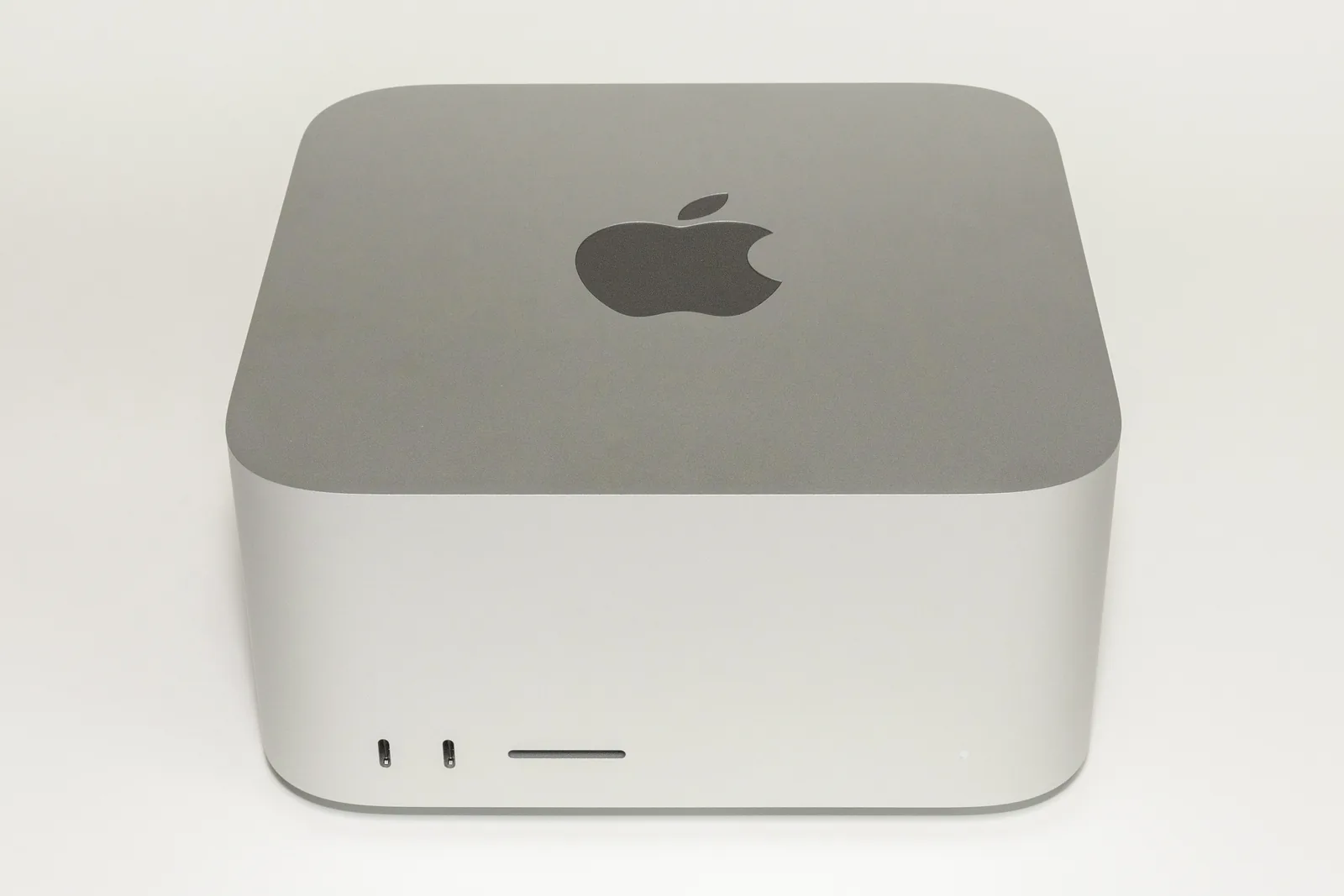
Meta on 15 October released Muse Spark Open, an open-weight artificial intelligence model that the company calls the most capable US-built model of its kind to date. What sets the launch apart is not only performance: the model was optimised, together with Apple, to run locally on a handful of Mac Studio computers, with no data centre behind it.
For businesses, the mix of a frontier-class model, downloadable weights and desk-side hardware reopens a question that until now seemed reserved for the largest players: where the AI runs, and who gets to see the data.
What Meta released
According to Meta's announcement, Muse Spark Open has 816 billion parameters in total, of which around 42 billion are active for each token it processes. It is natively multimodal, accepts a context of up to one million tokens and was built specifically for coding, agentic work and long-running, multi-step tasks.
The weights are available on Hugging Face, and the model can also be used through the major clouds: Amazon SageMaker AI, Google Cloud Model Garden and Microsoft Foundry Models. For API access, Meta lists partners including Baseten, Fireworks AI, Groq, Modal, Nebius, OpenRouter and Together AI. On the infrastructure side, it works with widely used inference engines: SGLang, vLLM, TensorRT-LLM, Transformers, MLX, llama.cpp and Unsloth.
In its demos, Meta showed the model fixing bugs in Ice Cubes, an open-source Mastodon app for iOS, and working inside DaVinci Resolve. The company says it applied additional safety post-training and assessed the model under its internal risk framework, the Meta Superintelligence Scaling Framework.
The licence: open, with conditions
The model ships under the "Muse Model License", which Meta describes as having limited commercial terms. Axios reports that the licence allows commercial use. In short, "open-weight" does not automatically mean "unrestricted", and the terms need reading before any production project.
An unexpected alliance: Meta and Apple
Meta's developer documentation says the model can run locally on two Mac Studio machines with the M5 Ultra chip and 512 GB of memory each, or on four units with 256 GB each. The computers are linked over Thunderbolt 5 using RDMA, and inference runs on MLX, Apple's machine learning framework. Minimum requirements are macOS 26.2 and MLX 0.30.1. In practice, as TechCrunch notes, that means at least 1 TB of memory in total.
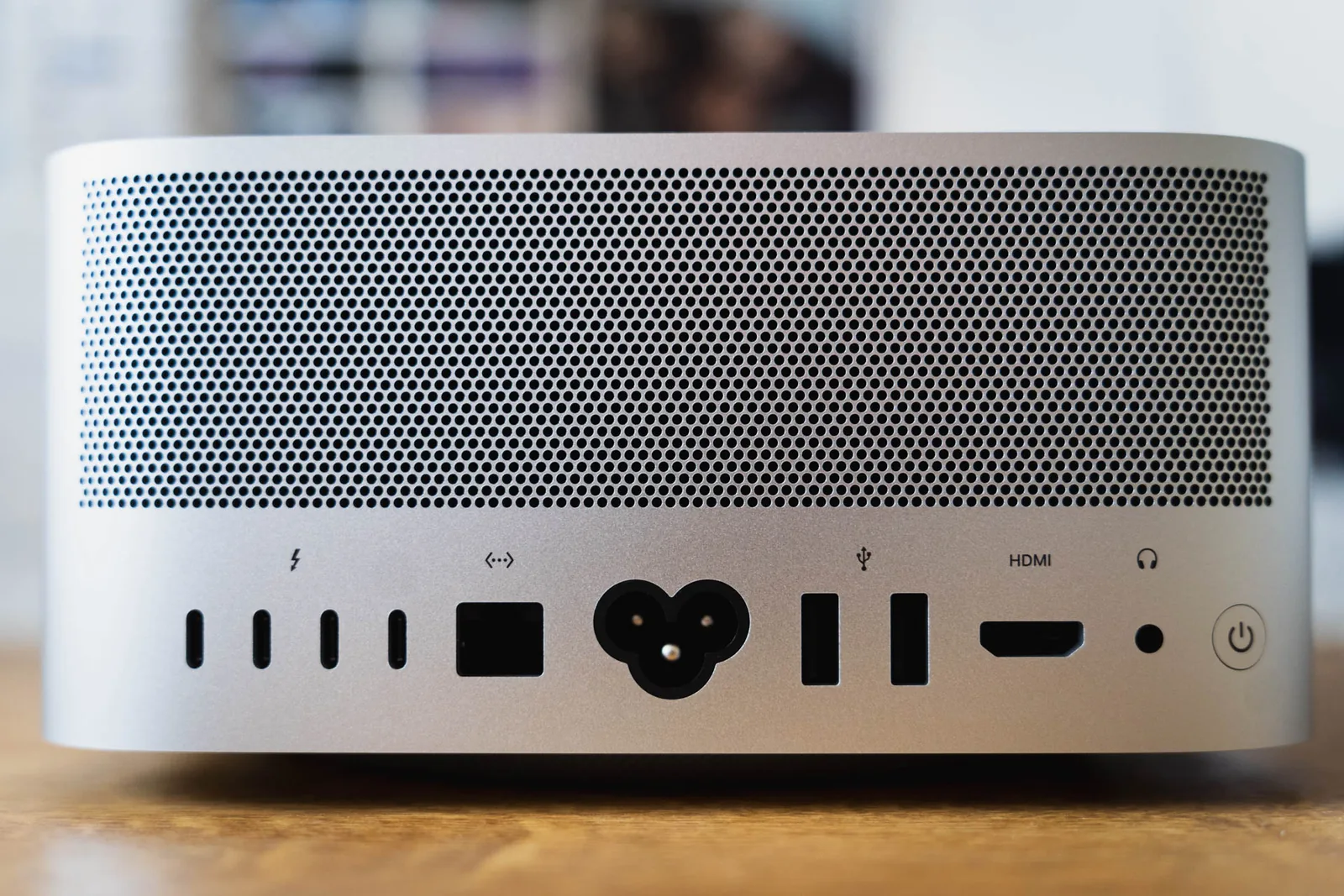
Apple's machine learning research team has published performance figures as well. With four Mac Studios and tensor parallelism, the model generates roughly 36.7 tokens per second at a context of 8,192 tokens. On two machines it reaches about 25 tokens per second in tensor mode and close to 16 in pipeline mode. Quantised to the NVFP4 format, the model takes up around 493 GB, compared with more than 1.6 TB at BF16 precision. Apple notes that the M5 Ultra offers 1.2 TB/s of memory bandwidth at a peak draw of roughly 300 W per unit.
According to Axios, the two companies worked together over several months, with Daniel Gross playing a key role. The outlet also points out a practical consequence: when the model runs locally, Meta has no visibility into what users type into it.
The competitive picture
The Guardian, citing AFP, frames the launch as a challenge to Chinese open models such as Qwen, Kimi K3 and GLM. Muse Spark Open arrives only days after Meta's newest closed model, a sign that the group is pursuing both strategies in parallel. Axios also presents the release as giving companies an alternative both to Nvidia GPUs and to proprietary models available only through an API, while noting concerns about potential misuse of open-weight models.
What it means for businesses
Data can stay in-house
For organisations handling sensitive information (contracts, customer records, source code, financial documents), being able to run a top-tier model on their own hardware greatly simplifies conversations about GDPR and data sovereignty. Prompts no longer have to leave for an external provider.
Costs shift from subscriptions to infrastructure
Running locally is not free: it means several high-end workstations with maximum memory, plus administration and updates. In our assessment, the speeds Apple reports, in the tens of tokens per second, suit internal assistants, document analysis and automation rather than public services with thousands of simultaneous users. For those, partner APIs remain the pragmatic choice.
Less dependence on a single vendor
Because the same model can run through an API, in a preferred cloud or on-premises, the risk of vendor lock-in falls. An application built with a proper abstraction layer for the model can move between these options without major rewrites.
Check the licence and the controls
The limited commercial terms deserve a legal review, and for agentic uses (models that take actions inside applications) least-privilege permissions, logging and human approval for critical steps remain essential.
The bottom line
Muse Spark Open will not replace cloud models overnight, but it shows that frontier-class AI can run on a company's own infrastructure, not only on that of the big providers. For most businesses, the sensible first step is a pilot: test the model through an API on one concrete use case, then weigh the cost of a local deployment. At BelleSoft, we build such models into custom applications and CRMs, choosing where they run based on the data, the budget and the volume involved.